
1920 Home Interior Design
Jazz Age Elegance: Rediscovering 1920s Home Décor
The Roaring Twenties was a time of excitement, glamour, and innovation. It was a decade that marked the beginning of a new era, with bold and daring changes in fashion, music, and even home décor. The 1920s was a time when people embraced the spirit of jazz and indulged in luxurious lifestyles. This article will take you back in time to rediscover the elegance of 1920s home décor.
One of the defining features of 1920s home décor was its opulent and glamorous nature. People wanted their homes to reflect the excitement and vibrancy of the Jazz Age. The homes were filled with rich colors, luxurious fabrics, and intricate details. Art Deco, a popular design style of the time, played a prominent role in shaping the look and feel of interiors.
Art Deco was all about geometric patterns, bold colors, and luxurious materials. It embraced the use of materials like chrome, glass, and lacquer, which added a touch of modernity to home interiors. Furniture pieces were sleek and streamlined, with clean lines and smooth curves, reflecting the influence of the machine age.
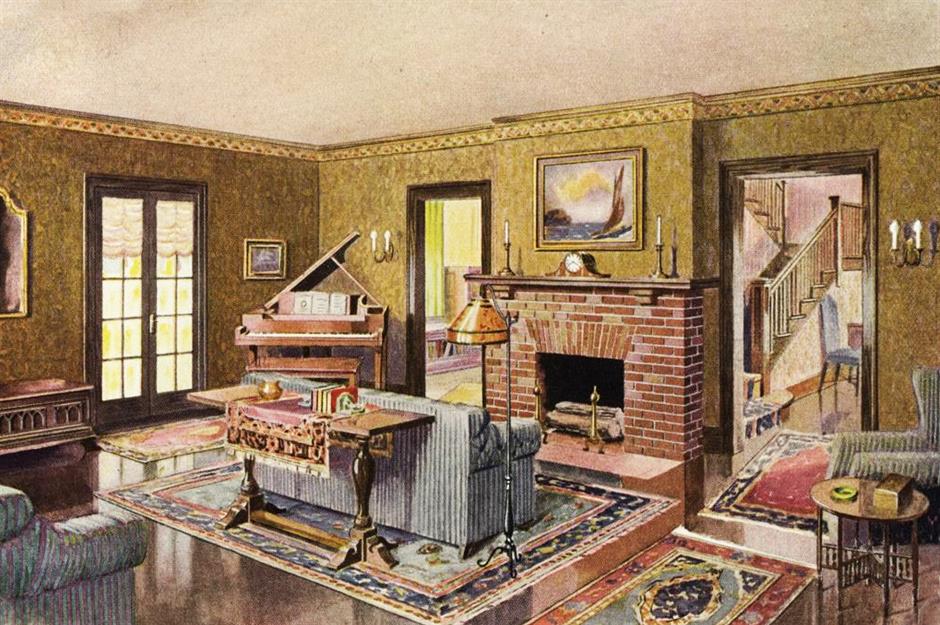
In the living room, plush sofas and armchairs were adorned with sumptuous fabrics such as velvet and silk. These were often in bold colors like deep red, royal blue, or emerald green. To add a touch of glamour, homeowners would accessorize with ornate lamps, mirrored coffee tables, and elaborate chandeliers. The use of patterned rugs and wallcoverings helped to create a lively and vibrant atmosphere.
Moving into the dining room, elegance was the key. Large dining tables made of dark wood were adorned with delicate china and crystal glassware. The walls were often adorned with art deco-inspired wallpaper or intricate wood paneling. To complete the look, homeowners would hang glamorous chandeliers above the table, casting a warm and inviting glow.
Bedrooms in the 1920s were a haven of luxury and comfort. Canopy beds with silky drapes were popular, giving a sense of privacy and opulence. The color palette ranged from pastels to jewel tones, with pinks, creams, and teals being particularly favored. Soft, plush carpets were laid on the floor, adding warmth and luxury to the space.
One of the most iconic features of 1920s home décor was the bar cart. As the prohibition era brought about a ban on alcohol, people turned their homes into private speakeasies. Bar carts were essential in this era, allowing homeowners to discreetly serve their guests. These carts were often made of shiny metals like brass or chrome, and were adorned with crystal decanters and cocktail glasses.
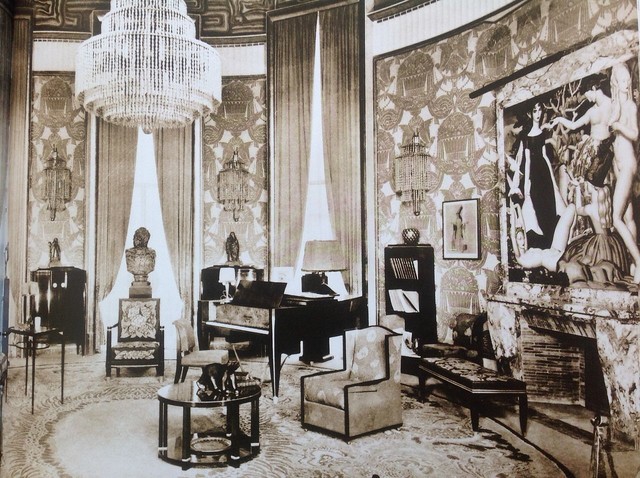
In conclusion, the 1920s was a time of glamour and elegance, and these qualities were reflected in the home décor of the era. The use of bold colors, luxurious fabrics, and geometric patterns created an atmosphere of opulence and vibrancy. Art Deco played a significant role in shaping the look and feel of interiors, with its modern and streamlined designs. From the living room to the bedroom, every corner of the home exuded the spirit of the Jazz Age. Rediscovering the elegance of 1920s home décor allows us to appreciate the creativity and innovation of this iconic era.
Gilded Opulence: Unleashing the Art Deco Spirit
The Roaring Twenties was a decade of unbridled glamour and opulence, and nowhere was this more evident than in the home interiors of the time. One style that truly captured the spirit of the era was Art Deco. With its bold geometric shapes, lavish materials, and luxurious finishes, Art Deco became the epitome of elegance and sophistication.
Art Deco emerged in the 1920s as a response to the austerity of World War I. It was a celebration of modernity and a departure from the traditional styles that had dominated the previous decades. The style drew inspiration from various sources, including ancient Egyptian and Aztec designs, as well as the sleek lines of modern technology such as cars and airplanes.
One of the defining features of Art Deco home interiors was the use of rich, sumptuous materials. From gleaming metals like gold and silver to exotic woods like mahogany and ebony, every element of an Art Deco interior exuded luxury. Furniture was often adorned with intricate inlays, while walls and floors were covered in bold patterns and textures.

In true Art Deco fashion, no detail was too small to be overlooked. Even the smallest accessories were meticulously crafted to enhance the overall aesthetic. Delicate glassware, ornate mirrors, and glamorous chandeliers were all essential elements of an Art Deco home. The emphasis on craftsmanship and attention to detail made Art Deco interiors truly breathtaking.
Color played a pivotal role in Art Deco home interiors. While the primary palette consisted of black, white, and shades of gray, vibrant pops of color were also used to add drama and contrast. Jewel tones like emerald green, sapphire blue, and ruby red were particularly popular and brought a sense of richness and decadence to the space.
The furniture of the era followed the same principles of geometric shapes and luxurious materials. Streamlined and sleek, Art Deco furniture often featured clean lines and smooth curves. It was a departure from the heavy, ornate styles of the past and embraced a more minimalist approach. From curvaceous armchairs to geometric coffee tables, every piece of furniture was a work of art in itself.
The Roaring Twenties was also a time of liberation and social change, and this was reflected in the playfulness and boldness of Art Deco interiors. Flapper girls, with their short hair and rebellious attitudes, became iconic symbols of the era. The interiors of the time embraced this spirit of freedom and movement. Soft, flowing curtains were replaced with geometric patterns and bold prints. The use of mirrors and reflective surfaces created an illusion of space and light, making rooms feel larger and more vibrant.

The Art Deco style flourished during the 1920s, but its influence can still be seen today. Its timeless glamour and striking designs continue to captivate and inspire. Whether it’s the iconic Chrysler Building in New York City or a beautifully restored vintage piece of furniture, Art Deco remains a symbol of an era that embraced the idea of living life to the fullest.
In conclusion, the Gilded Opulence of Art Deco interiors truly epitomized the glamorous home interiors of the 1920s. With its bold geometric shapes, lavish materials, and playful elements, Art Deco was a style that celebrated the spirit of the Roaring Twenties. From the gleaming metals to the vibrant colors, every aspect of an Art Deco interior exuded elegance and sophistication. Today, the legacy of Art Deco lives on, reminding us of an era that embraced both luxury and liberation.
Flapper Finesse: Embracing the Bold and Playful
The Roaring Twenties was a time of immense change and cultural revolution. From fashion to music, and even interior design, this decade brought about a new era of freedom and expression. In this article, we will delve into the world of Flapper Finesse – a style that embodies the bold and playful nature of the 1920s.
The Flapper Finesse style was all about breaking conventions and pushing boundaries. It was a celebration of youth, independence, and the pursuit of pleasure. This can be seen in the vibrant and daring color palettes that were used. Gone were the muted tones of previous decades, replaced with bold and striking hues such as fuchsia, emerald green, and electric blue. These colors were often combined in unexpected ways, creating a sense of excitement and energy in the home.
Patterns also played a significant role in Flapper Finesse. Geometric shapes, chevrons, and zigzags were popular choices, adding a sense of movement and dynamism to the interiors. These patterns were often found on textiles such as curtains, upholstery, and rugs, instantly transforming any space into a lively and playful environment.
Furniture in the Flapper Finesse style was sleek, streamlined, and modern. Art Deco-inspired pieces were particularly popular during this time. Chairs and sofas featured curved lines, mirrored surfaces, and luxurious materials such as velvet and silk. The use of metals like chrome and gold added a touch of opulence and glamour to the furniture.
Accessories and decor were essential in capturing the spirit of Flapper Finesse. Mirrors, crystal chandeliers, and ornate wall sconces created a sense of grandeur and drama in the home. These elements reflected the desire for luxury and excess that defined the era. Other popular accessories included feathers, fringe, and sequins – all synonymous with the flamboyant flapper fashion.
In the spirit of the 1920s, entertaining at home became a significant part of social life. The Flapper Finesse style embraced this trend by incorporating elegant bar carts, cocktail shakers, and glassware into the home. These items not only added a touch of sophistication but also provided a functional space for hosting parties and enjoying a drink with friends.
Overall, the Flapper Finesse style of the 1920s was a celebration of boldness, playfulness, and extravagance. It was a time when the boundaries of tradition were shattered, and individuals were encouraged to express themselves freely. By embracing vibrant colors, dynamic patterns, and luxurious materials, homeowners were able to create interiors that reflected the spirit of the age.
The Roaring Twenties was a transformative time in history, and Flapper Finesse encapsulated the essence of this era perfectly. With its cheerful and creative tone, this style allowed individuals to break free from societal norms and embrace a sense of liberation and joy in their homes. So why not bring a touch of the 1920s into your own living space? Embrace the bold and playful nature of Flapper Finesse and let your home become a dazzling reflection of the Roaring Twenties.
Timeless Glamour: Reviving the Roaring Twenties at Home
Welcome to the glamorous world of 1920s home interiors! The Roaring Twenties was a decade of excitement, innovation, and boldness. This era was known for its lavish parties, jazz music, and flapper culture. It was a time when people embraced the idea of living life to the fullest and expressing their individuality. The home interiors of the 1920s reflected this spirit, with a combination of elegance, opulence, and a touch of rebellion.
One of the key elements of 1920s home décor was the use of rich, luxurious materials. Velvet, satin, and silk were popular choices for upholstery, curtains, and cushions. These fabrics added a sense of opulence and indulgence to the interiors. Deep, vibrant colors like emerald green, royal blue, and rich burgundy were often used to create a dramatic effect. These colors were inspired by the Art Deco movement, which was characterized by its bold geometric shapes and luxurious materials.
In addition to luxurious fabrics, 1920s home interiors also featured elegant furniture pieces. Art Deco furniture was all the rage during this time. Streamlined, geometric shapes and clean lines were the defining features of this style. Furniture pieces were often made of exotic woods like mahogany and ebony, and were adorned with intricate inlays and gilded accents. The combination of luxurious materials and elegant designs created a sense of timeless glamour in every room.
Lighting played a crucial role in 1920s home interiors. Chandeliers and pendant lights were popular choices, adding a touch of grandeur to the space. Crystal and glass were commonly used materials for lighting fixtures, reflecting the light and creating a dazzling effect. These fixtures were often adorned with intricate designs and geometric patterns, showcasing the influence of the Art Deco movement. The soft, warm glow of these lights created a cozy and inviting atmosphere in the home.
Another important aspect of 1920s home interiors was the use of accessories and decorative pieces. Mirrors with ornate frames, geometric-patterned rugs, and art deco-inspired wall art were commonly found in these homes. The use of accessories allowed homeowners to express their individuality and showcase their personal style. It was a time when people embraced the idea of surrounding themselves with beautiful things that brought them joy and reflected their personality.
The 1920s was a time of rapid social change, and the home interiors of this era reflected this sense of revolution and rebellion. The modern woman, known as the flapper, became an iconic figure during this time. She embodied a new sense of freedom and independence, and her style influenced home interiors as well. Bold, playful patterns and vibrant colors were used to create a sense of energy and excitement. The use of geometric shapes and abstract designs showcased the influence of the art movements of the time.
In conclusion, the home interiors of the 1920s were a reflection of the spirit of the Roaring Twenties. They were glamorous, bold, and a little bit rebellious. The use of luxurious materials, elegant furniture, and attention to detail created a sense of timeless glamour that is still admired today. Whether it was the use of rich velvet fabrics, the incorporation of geometric shapes, or the love for all things Art Deco, the home interiors of the 1920s continue to inspire and captivate us with their beauty and charm.
Post a Comment for "1920 Home Interior Design"